
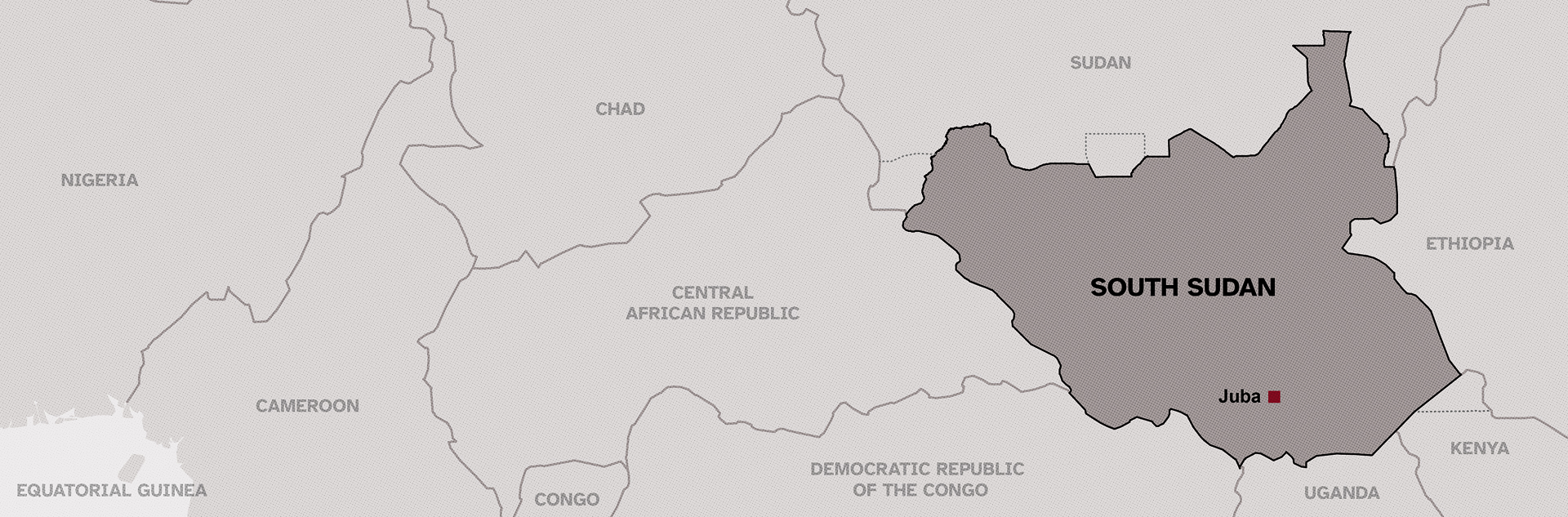
In South Sudan, a small network of political and military elites has captured the state, repurposing its institutions to serve private interests rather than the public good.
While these elites compete for wealth and power, ordinary South Sudanese go without security, education, health care, infrastructure, and justice. The result is a violent kleptocracy characterized by recurring conflict, instability, and widespread human suffering.
Peace agreements and power-sharing deals among elites have failed to deliver lasting stability. Meanwhile, longstanding grievances over land, identity, representation, and economic opportunity remain unresolved, with few avenues for citizens to address them through democratic processes.
Breaking this cycle requires reforms that put the state in service of its people, including transparent management of national resources, accountable leadership, stronger institutions, and meaningful citizen participation.
The Sentry investigates the networks that fuel and profit from violence and corruption in South Sudan. By exposing these systems, our work aims to shift the incentives and advance accountability and stronger governance, putting South Sudan on a path towards a more peaceful, democratic, and prosperous future.
Featured Publications
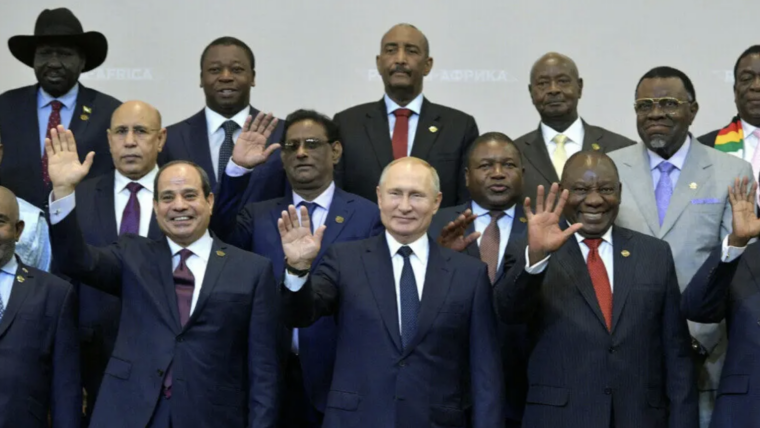
Hill Times Opinion: Canada must not abandon South Sudan

Just Security Op-ed: Why Gold Threatens Peace in South Sudan


Undercover Activities


Sanctioned South Sudanese Businessmen Are Skirting US Sanctions
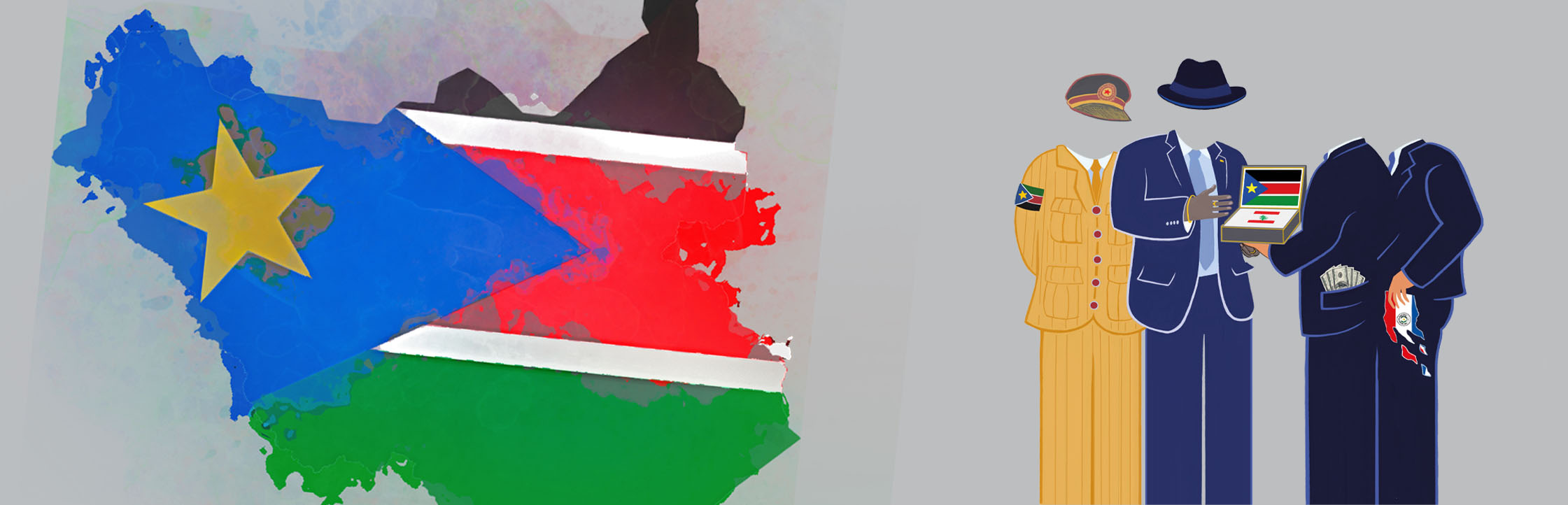
The Metamorphosis of Ali Khalil Merhi

Making a Killing

Untapped and Unprepared

Al-Cardinal
Related Content

Podcast: Geopolitics: UAE in Sudan & Canada out of South Sudan

South Sudan’s First Family Secretly Amassed Sprawling Corporate Kingdom
Breaking report: Bribery, Money Laundering Red Flags in Massive Oil Deal in South Sudan