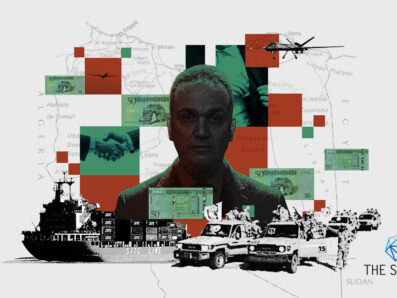

Measured in the trillions annually, illicit finance refers to money or other assets obtained, moved, or used illegally.
It fuels conflict, sustains kleptocracies and terrorist groups, and drives natural resource plunder, all while undermining the integrity of the international financial system, threatening national security and development, and deepening human suffering. Simply put, illicit finance is what makes war crimes possible pay.
Beyond using investigations to expose those who profit from illicit activity, The Sentry’s thought leadership pushes for systemic change across the frameworks and tools used to counter illicit finance—these include sanctions regimes, anti-money laundering and countering the financing of terrorism (AML/CFT) measures, anti-corruption mechanisms, shell company transparency, professional enablers liability, and asset recovery.
We collaborate with and advocate to governments, regional and global bodies such as the European Union, the United Nations, and the Financial Action Task Force (FATF), and the private sector to strengthen accountability at every level.
The Sentry team publishes policy analysis, op-eds, and essays, briefs officials, hosts banking roundtables, and leads trainings to equip policymakers, financial institutions, and civil society with the tools and knowledge needed to disrupt illicit finance.
Featured Publications

Peace Policy Essay: Sanctions Can Stop Human Rights Abusers When Used Correctly

RUSI Essay: The FATF Needs to Tackle How War is Financed
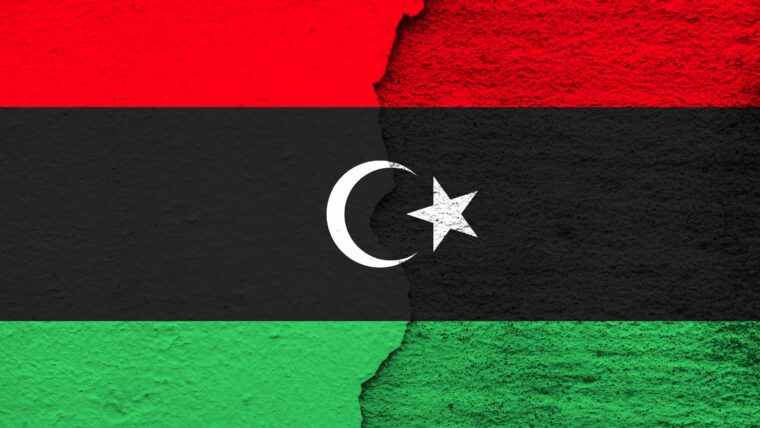
The New Arab Op-ed: Absent reforms, unfreezing Libyan Investment Authority is risky

Targeting Dynamic Illicit Financing Networks with Blocked Pending Investigation (BPI) Listings
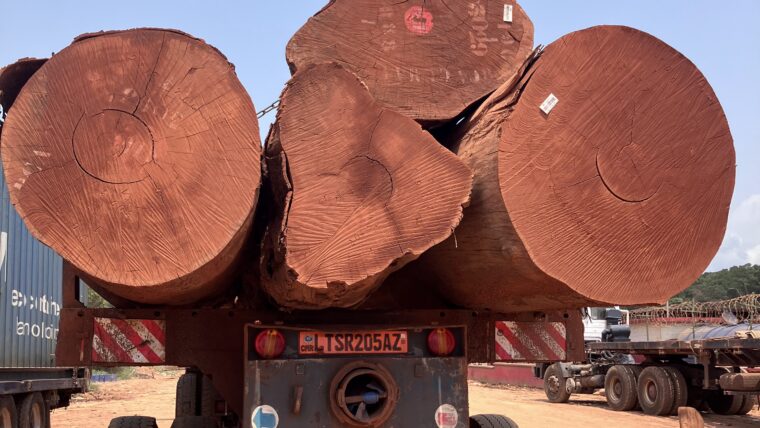
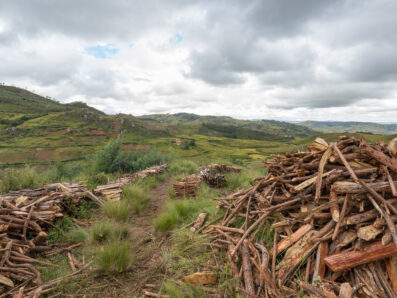
Foreign Affairs Essay: The War on Trees

Bloomberg Law Op-ed: Lawyers Should Be Key Reporters in Anti-Money Laundering Efforts


Nikkei Asia Op-ed: Japan needs to update sanctions laws to face future challenges
A Reinvigorated US Anti-Corruption Strategy for Africa
Related Content

Podcast: Justyna Gudzowska on Conflict Financing
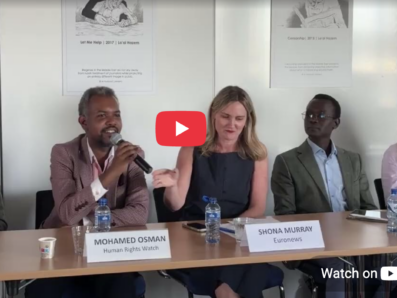
Event- Sanctioning and Prosecuting Mass Atrocity Crimes in Sudan
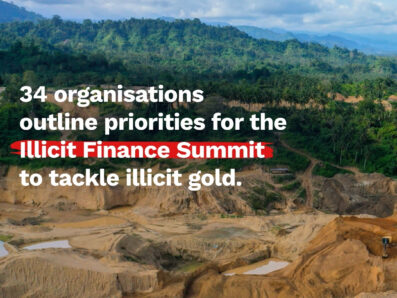
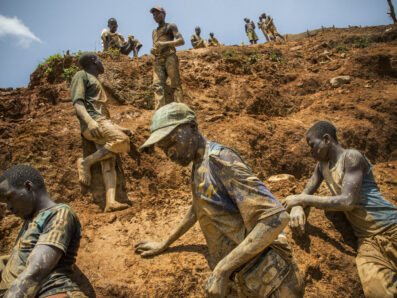
Growing threat of illicit gold’s role in conflicts, organized crime, human rights abuses and deforestation