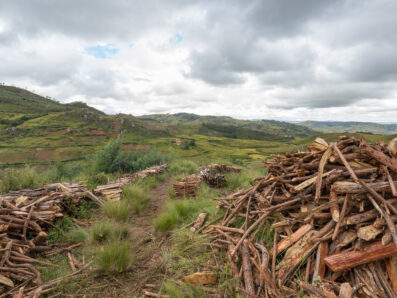

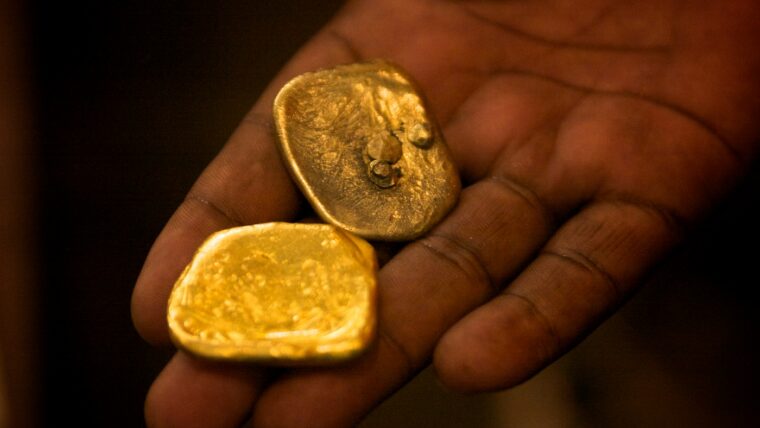
The illicit gold trade is worth up to $120 billion per year, fueling war and corruption across the world.
Rising gold prices have only worsened the problem, giving armed groups and criminal networks greater incentive to seize gold-rich areas, tax and smuggle what’s mined, sell it to traders and refiners, and launder illegal proceeds.
This trade is rife with abuses. Rainforests in the Congo Basin and the Amazon are cleared for illegal mines, while mercury from processing gold poisons rivers and workers alike. Conflict gold in particular fuels ongoing wars in Sudan and the eastern Democratic Republic of the Congo (DRC).
Disrupting this trade requires action not only in producing countries but also in the transit states and international hubs where this gold is refined, traded, and exported. Gold from the DRC is commonly trafficked through Rwanda and Uganda, Sudanese gold through Egypt, Chad, and Ethiopia, and Venezuelan gold through Colombia. These routes converge on global gold trading centers, particularly the United Arab Emirates, where weak oversight has allowed large volumes of high-risk gold to enter legitimate supply chains.
The Sentry investigates these trading networks and works with other civil society groups to press governments, industry, financial institutions, and regulators for sustainable solutions and greater accountability. The gold and electronics industries have made progress through supply chain audits and support for artisanal miners, but stronger reforms are needed to sever the ties between conflict, corruption, and the global gold trade
Featured Publications

Gold-Backed Brutality: The ISIL-Affiliated Allied Democratic Forces in the Democratic Republic of the Congo

Just Security Op-ed: Why Gold Threatens Peace in South Sudan

NY Times Essay: Sudan Is in Free Fall

Conflict Gold to Responsible Gold
Understanding Money Laundering Risks in the Conflict Gold Trade
Related Content
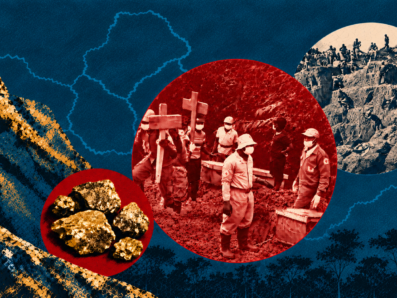
New Report: ISIL Affiliate in the DR Congo Has Evolved into a Self-Reliant Insurgency Sustained by Conflict Gold
Conflict Gold: Sentry Statement on EU Sudan Gold Ban and What’s Needed Now
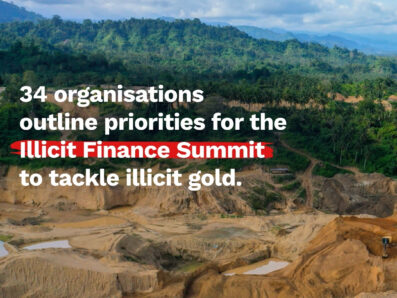
Growing threat of illicit gold’s role in conflicts, organized crime, human rights abuses and deforestation