By John Prendergast

Throughout history, war may have been hell, but for small groups of conflict profiteers it has also been very lucrative. Today’s deadliest conflicts in Africa — such as those in Sudan, South Sudan, Somalia, northern Nigeria, and the Democratic Republic of Congo — are sustained by extraordinary opportunities for illicit self-enrichment that emerge in war economies, where there is a visible nexus between grand corruption and the instruments of mass atrocities.

State armies and rebels use extreme violence to control natural resources, labor, and smuggling networks. Violence becomes self-financing from pillaging, natural resource looting, and the theft of state assets with connections that extend to New York, London, Dubai, and other global financial centers.
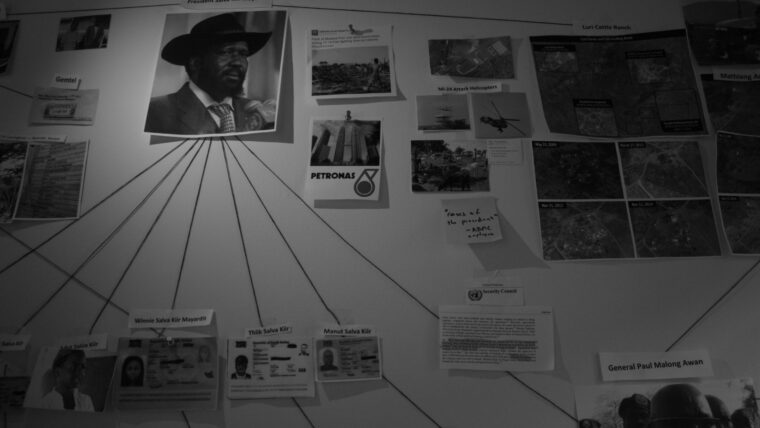
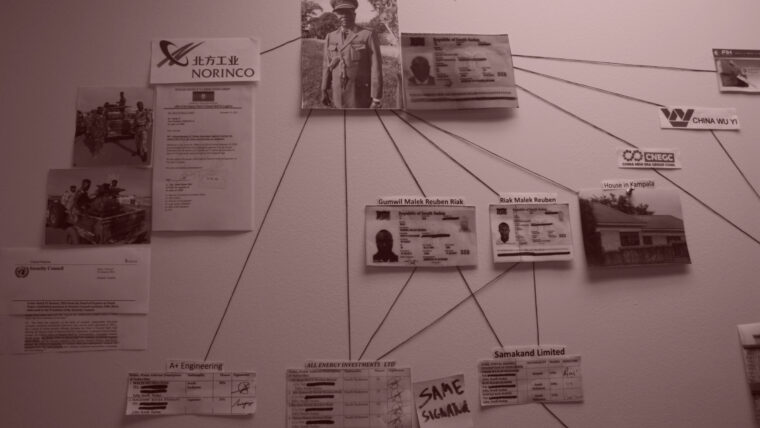
Read the full op-ed in Foreign Policy.

Support investigations that expose corruption and drive accountability

Related Publications

War Crimes Shouldn’t Pay

Throughout history, war may have been hell, but for small groups of conflict profiteers it has also been very lucrative.
Sep 12, 2016

Making a Fortune While Making a Famine

Throughout history, war may have been hell, but for small groups of conflict profiteers it has also been very lucrative.
May 31, 2017

Latest

Podcast: How Chinese and Russian Companies Are Exploiting Africa’s Forests

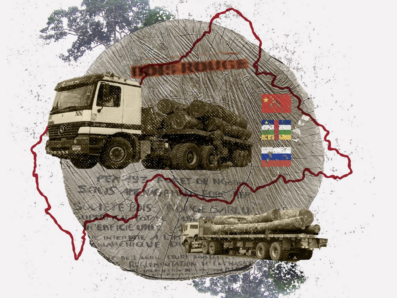
Alex Bloom, Senior Investigator at The Sentry, joins Eric Olander of the China Global South Podcast to discuss the findings of her latest report, “Timber for the Taking: How Central African Republic’s Forestry Sector Has Fallen Prey to Corruption and Neglect.” She discusses how the Central African Republic (CAR) forestry sector is plagued by state...

New Investigation Exposes Corruption, Neglect, and Lost Revenue in Central African Republic’s Forestry Sector

Chronic neglect and state capture by Russia’s Wagner Group and Chinese timber firms lead to millions in lost local revenue and degraded areas of The Congo Basin