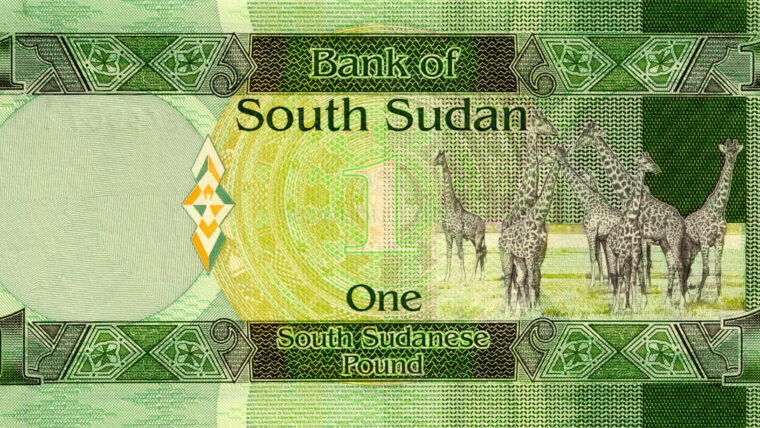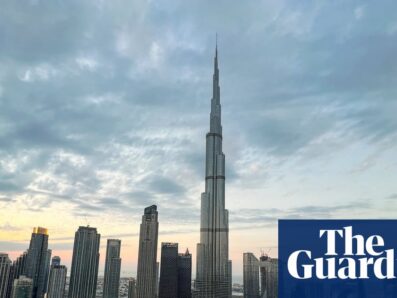

 Research by The Sentry, investigative journalists, and anti-corruption civil society groups demonstrates that African kleptocrats, especially those in war-torn countries, have increasingly favored real estate in African cities as a means for laundering the proceeds of corruption, despite the greater headlines that result from “kleptocracy tours” in the United Kingdom and Europe. Banks, governments, and regional and international organizations have not prioritized these activities in cities like Nairobi, Kampala, Windhoek, Cape Town, and Johannesburg, creating an opportunity for corrupt actors to exploit the sector. Kleptocrats may choose these destinations because of their comparative political, economic, or monetary stability.
As Uganda’s own National Risk Assessment on money laundering found, “the real estate sector poses the highest [money laundering] threat” in the country.* However, authorities have done little to address this significant risk in the country. Kenya, Namibia, and South Africa have seen similarly uneven responses. Persistent loopholes and gaps in anti-money laundering standards involving real estate provide illicit actors with various options for laundering money through real estate.
Governments, law enforcement, regulators, financial institutions, and civil society should address the systemic issues that contribute to illicit financial flows through real estate. Regional governments should identify properties purchased with corrupt funds, investigate the sources of funds in those transactions, and coordinate investigations with signatories to the United Nations Convention Against Corruption (UNCAC). Financial institutions operating in the region should monitor accounts for red flags related to real estate transactions. The Eastern and Southern Africa Anti-Money Laundering Group (ESAAMLG) should develop and recommend jurisdiction- or geography-specific enhanced due diligence standards or reporting requirements in order to improve the quality and consistency of information available to banks, regulators, and law enforcement.* Civil society groups, too, should play an important role in combating illicit activity within the real estate sector by uncovering corruption and pressing law enforcement and other bodies to take appropriate action.
By working to curtail money laundering through real estate in eastern and southern Africa, banks, governments, international organizations, and civil society groups can put pressure on kleptocrats and their international facilitators and combat profiteering from corruption, violence, and human rights abuses elsewhere on the continent.