
 President Joe Biden has publicly committed to leading the fight on corruption and illicit financial flows.* This emphasis, coupled with the sweeping new anti-money laundering (AML) reforms in the Anti-Money Laundering Act of 2020 (AML Act)—part of the National Defense Authorization Act for Fiscal Year 2021—provides fertile ground for the United States to further expand and strategically deploy financial pressures as part of its broader efforts to combat corruption, conflict, and mass atrocities.*
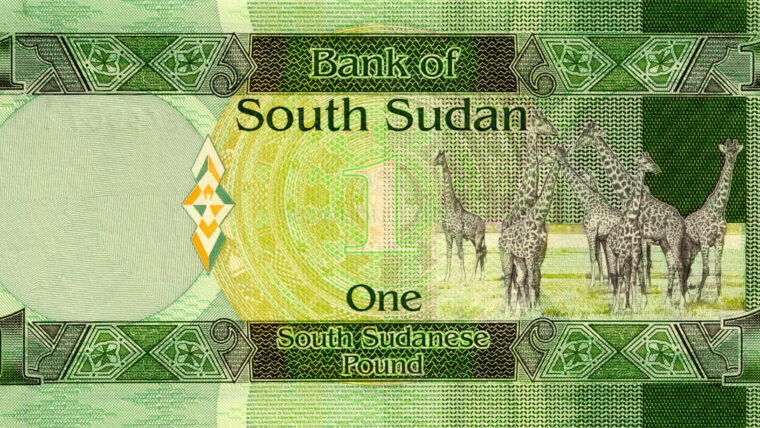
East and Central Africa—the deadliest war zone in the world over the past few decades—is a prime example of how mass corruption fuels conflict and how US and multilateral tools of financial pressure could save lives. Illustratively, in South Sudan, Sudan, the Democratic Republic of Congo (DRC), and the Central African Republic (CAR), kleptocratic leaders steal public wealth and use extreme violence to quash democratic aspirations and human rights efforts. Their ill-gotten gains are moved largely in dollars and euros into the formal financial system, enabled by transnational networks. This same playbook has also been used in Zimbabwe for decades. Disrupting these illicit financial flows can affect the cost-benefit calculations of kleptocrats interested in fomenting instability, undermining the rule of law, and capturing state institutions for their personal enrichment. Creating accountability for financial crimes can also weaken entrenched corrupt patronage networks and provide much-needed leverage for renewed diplomatic efforts.
For these reasons, financial pressure tools like AML measures and network sanctions—particularly through Global Magnitsky authorities—can be an even more integral component of the United States’ efforts to support peace and good governance in East and Central Africa, especially when part of a multilateral strategy. These tools, however, are not effective in a vacuum. They should be paired with renewed and vigorous diplomacy, robust efforts at multilateralism, and broader support to reformers in governments and civil society.