Note

This op-ed originally appeared in the Washington Post and was written by The Sentry co-founders George Clooney and John Prendergast.

Official, U.N.-declared famines are a rare phenomenon. The last one worldwide was six years ago, in Somalia. Famines are declared officially when people have already begun to starve to death. It is the diplomatic equivalent of a seven-alarm fire. That is where the youngest country in the world, South Sudan, finds itself today, as 100,000 face immediate starvation and another 1 million are on its brink.

The maxim is true that famine does not result from purely natural causes but is usually “man-made.” Such a description, however, avoids any real accountability for those who have caused the crisis. South Sudan’s famine would be more accurately described as “government-made.”
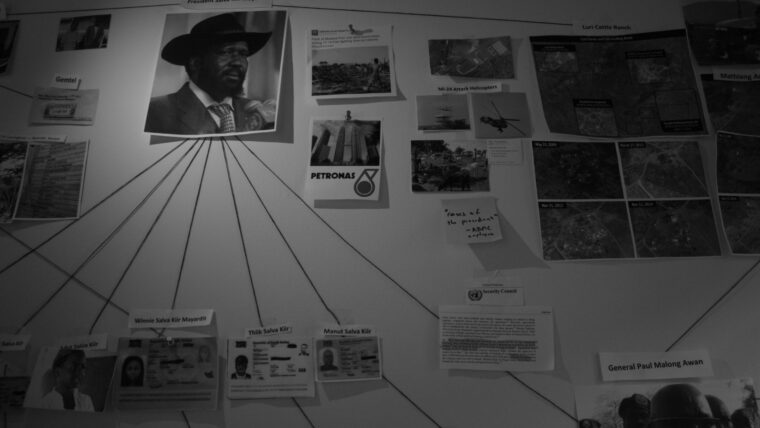
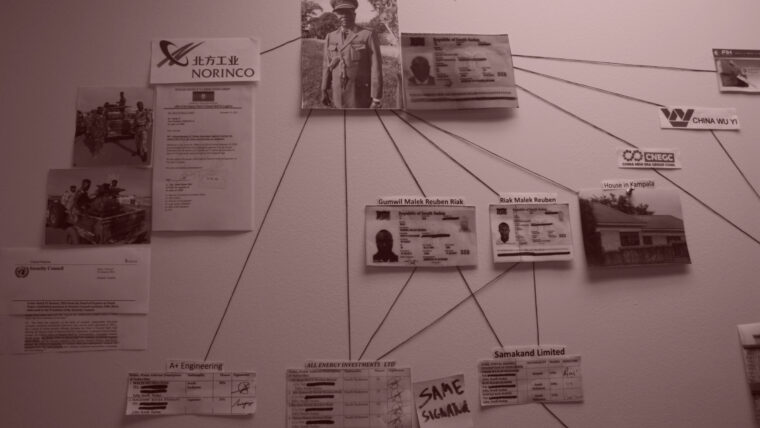
Click here to read the full op-ed.

Support investigations that expose corruption and drive accountability

Related Publications

War Crimes Shouldn’t Pay

Official, U.N.-declared famines are a rare phenomenon. The last one worldwide was six years ago, in Somalia. Famines are declared officially when people have already begun to starve to death.
Sep 12, 2016

Making a Fortune While Making a Famine

Official, U.N.-declared famines are a rare phenomenon. The last one worldwide was six years ago, in Somalia. Famines are declared officially when people have already begun to starve to death.
May 31, 2017

Latest

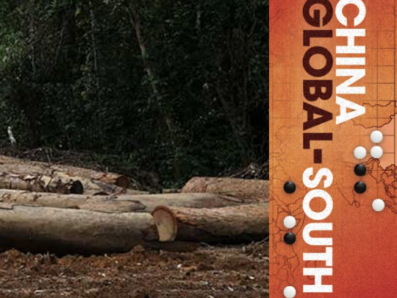
Podcast: How Chinese and Russian Companies Are Exploiting Africa’s Forests

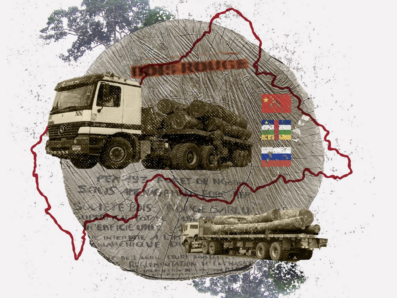
Alex Bloom, Senior Investigator at The Sentry, joins Eric Olander of the China Global South Podcast to discuss the findings of her latest report, “Timber for the Taking: How Central African Republic’s Forestry Sector Has Fallen Prey to Corruption and Neglect.” She discusses how the Central African Republic (CAR) forestry sector is plagued by state...

New Investigation Exposes Corruption, Neglect, and Lost Revenue in Central African Republic’s Forestry Sector

Chronic neglect and state capture by Russia’s Wagner Group and Chinese timber firms lead to millions in lost local revenue and degraded areas of The Congo Basin